How Much Should a Custom Website Actually Cost in 2026?
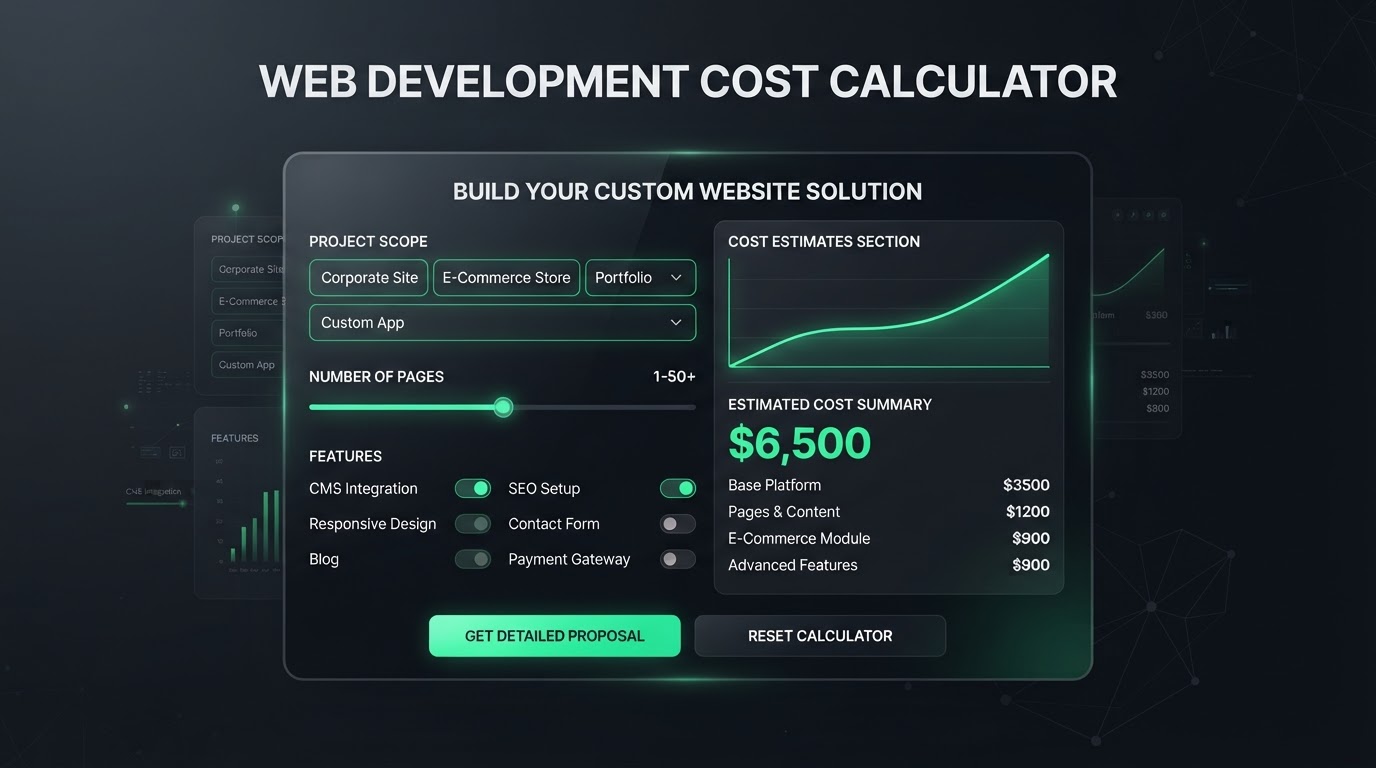
If you are looking for a custom website cost 2026 estimate right now, here is the baseline: expect to pay between £2,500 and £7,000 for a professional 5-10 page site built by a UK agency. If you require e-commerce functionality, that range shifts to £3,000-£10,000 for a standard store. That is the realistic starting point for a digital presence designed specifically for your business, rather than assembled from a generic template.
The web design industry is notoriously opaque about pricing. Every agency claims to offer "bespoke solutions," but the actual cost depends entirely on who is doing the work and how much of that work is genuinely custom. UK market data for 2026 shows a clear pricing hierarchy based on the route you choose. Understanding these tiers is the only way to ensure you are paying for actual design expertise, rather than just a markup on a pre-bought theme.
The DIY Builder Route: £100–£360 per year
Platforms like Wix and Squarespace offer the cheapest entry point to getting online. You can expect to pay roughly £100 to £360 per year in subscription fees for their standard business tiers. It is important to note that this does not include a custom domain or a professional business email address, which will add to your annual overhead.
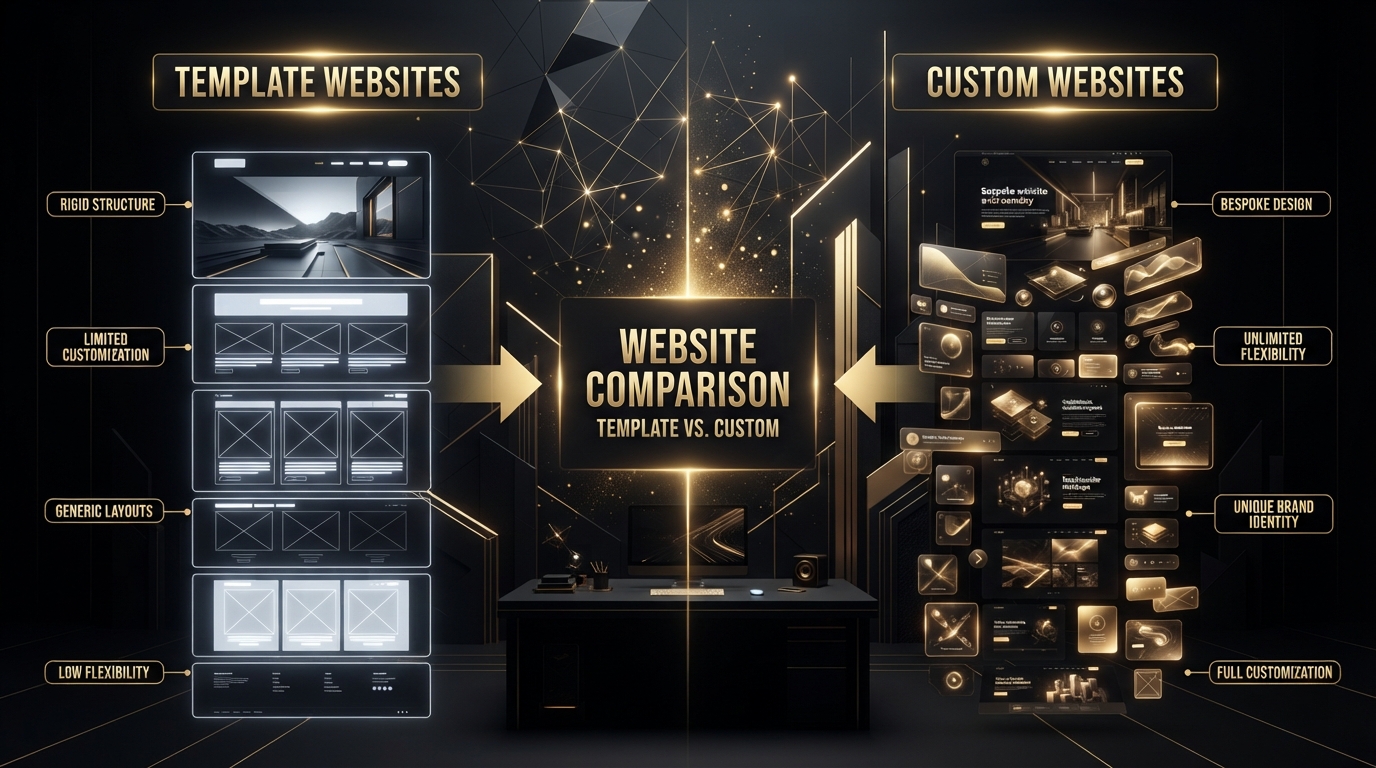
The true cost of the DIY route is your time and the opportunity cost of an unoptimised site. You are responsible for the layout, the copywriting, the technical SEO foundations, and the ongoing maintenance. For a brand new business testing an idea with zero budget, this is often the right choice. However, for an established business looking to scale, a DIY site quickly becomes a bottleneck. Templates are rigid, load times can be sluggish, and the lack of custom functionality eventually limits your ability to convert visitors into leads.
The Freelancer Route: £800–£5,000
Hiring an independent freelancer sits in the middle ground between a DIY builder and a full agency. For a simple 4-5 page site built by a freelancer, prices typically range from £800 to £3,000. If you need a more custom-built site with advanced functionality, or a highly specific design aesthetic, a premium freelancer will charge between £2,000 and £5,000.
The primary advantage here is direct communication. You are speaking directly to the person writing the code and designing the layouts. The inherent risk is capacity and breadth of expertise. A single freelancer is handling design, development, project management, SEO, and QA testing. If they get sick, take on too many clients, or hit a technical roadblock outside their specific skill set, your project timeline can stretch significantly. The typical build timeline for a simple site is 2-6 weeks, but relying on a single point of failure can easily extend that.
The Agency Route: £2,500–£10,000+
Working with a small-to-mid UK agency provides access to a team of specialists rather than a single generalist. A professional 5-10 page site from an agency will cost roughly £2,500 to £7,000. If your project requires a blog architecture, detailed case studies, or extra service pages (pushing the site to 10-20 pages), expect costs to scale toward £7,000 and beyond.
For retail and product-based businesses, the baseline shifts entirely. A standard e-commerce site ranges from £3,000 to £10,000. Larger stores requiring custom features, complex inventory syncing, advanced filtering, or user portals will cost between £10,000 and £30,000+.
If you approach a large, established agency for a fully bespoke build, projects typically start around £10,000 and scale upward quickly. These higher-tier builds often involve extensive brand strategy, custom web applications, and rigorous accessibility compliance testing.
What Actually Drives the Price Difference?
The gap between a £1,000 website and a £5,000 website usually comes down to five concrete factors: design originality, page count, technical functionality, SEO foundations, and ongoing maintenance.
Many cheap websites are simply premium templates with your logo applied. A genuinely custom design requires hours of wireframing, user experience planning, and visual design before a single line of code is written. Every element is placed with intention to guide the user toward a specific action. More pages naturally mean more design and development time, especially if those pages require unique layouts rather than repeated blocks.
Functionality is the biggest variable. A brochure site displaying text and images is fundamentally different from an e-commerce platform or a booking system. The latter requires secure payment gateways, user account management, and complex database architecture.
Finally, you must factor in the total cost of ownership. A realistic first-year total for a custom SME site (including the initial build, secure hosting, ongoing maintenance, and basic SEO setup) usually lands between £5,000 and £15,000. Building the site is only the first step; keeping it secure, fast, and visible in search results requires ongoing, dedicated investment.
The Risks of the Cheap End of the Market
If a company offers a "custom" website for £500, they are cutting corners to remain profitable. The most common shortcut is template reuse. Your site will share an identical underlying structure with hundreds of others, resulting in a generic digital presence that fails to differentiate your brand.
Another common casualty of cheap builds is technical SEO. A budget build rarely includes proper heading structures, optimised image delivery, or clean, semantic HTML. The site might look acceptable on a desktop monitor, but Google's crawlers will struggle to read and index it effectively. If search engines cannot understand your site, your ideal clients will struggle to find it.
Post-launch support is also frequently absent at the lower end of the market. When a critical plugin breaks, an API connection fails, or the site goes down entirely, you are often left to troubleshoot it yourself or forced to pay exorbitant emergency hourly rates to a third party.
Budgeting for a Custom Website Cost in 2026
For an established small-to-medium business, your website is your primary sales asset. We recommend budgeting for a site that accurately reflects the quality of your actual service. A template site communicates a template business.
At W3Pro, we build sites designed by humans, not templates. We focus on clean code, strategic design, and seamless user experiences that actually convert traffic into inquiries. If you want to understand exactly what a custom build would look like for your business, review our Process & Pricing page to see how we work and what we deliver.
Ready to get an accurate estimate for your specific needs? Contact our team to discuss your project and get a personalized quote based on your exact requirements.
SEO Metadata (For Reference)
Meta Title: How Much Should a Custom Website Cost in 2026? | W3Pro
Meta Description: Discover the true cost of a custom website in 2026. Compare DIY, freelancer, and agency pricing, and learn what actually drives the price difference.
Ready to elevate your digital presence?
Let's discuss how we can build a website that works as hard as you do.
Start a project